

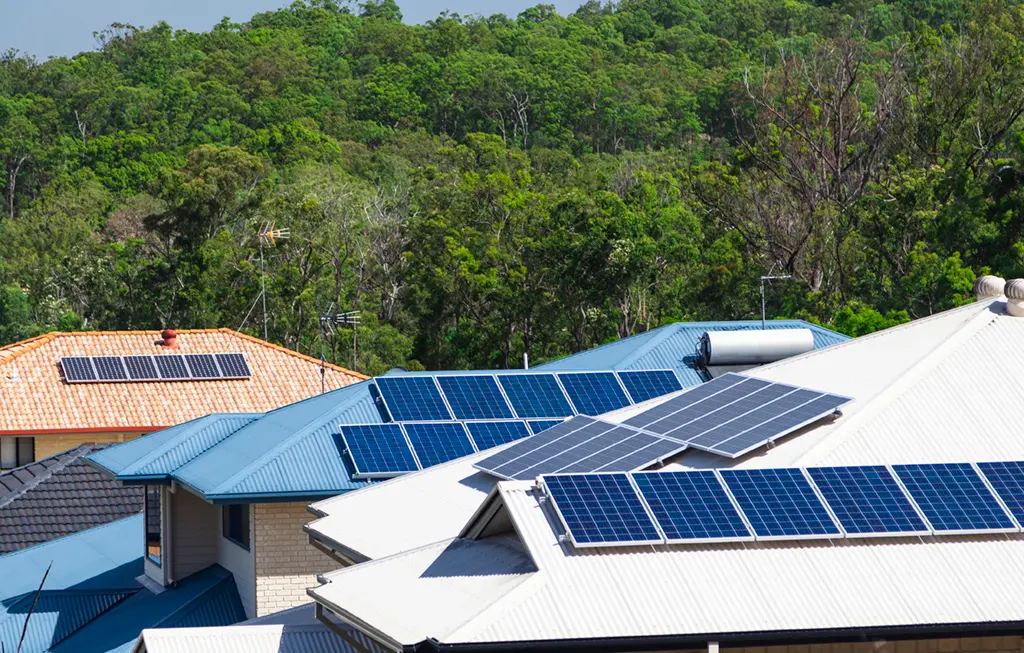
The re-election of the Australian Labor Party (ALP) in May 2025 signals strong support for renewable energy – especially solar battery storage.
With plans like the proposed “Cheaper Home Batteries Program,” Australians might soon access significant financial support for battery technology, potentially enhancing energy independence and easing cost-of-living pressures.
Here’s what the election result suggests in practical terms, what might be expected, and how Odisee is preparing to support Australians through this potential transition.
Why the Election Result Matters
Labor secured its strongest majority since 1943, with voters decisively backing renewable energy solutions over nuclear alternatives. This overwhelming endorsement provides Labor substantial political capital to implement ambitious renewable energy policies swiftly, including the anticipated battery rebate program.
What Was Promised
The cornerstone of Labor’s renewable energy commitment is the proposed Cheaper Home Batteries Program, earmarked for a significant $2.3 billion investment:
- Up to 30% upfront discount on solar battery installations (around $4,000 for a typical system).
- Rebates expected for battery sizes between 5kWh to 50kWh.
- Batteries required to be VPP-ready, potentially helping future grid stability.
- Gradual reduction of rebates each year until 2030.
Other pledges include ongoing support for renewable energy through the Capacity Investment Scheme, expanded Community Batteries initiatives, and an $800 million commitment to energy upgrades for social housing.
Understanding Key Terms
Clean Energy Council (CEC)
The Clean Energy Council (CEC) is Australia’s leading authority on clean energy, setting industry standards for quality, safety, and reliability. Batteries and solar products approved by the CEC meet stringent requirements, giving consumers confidence in product safety and efficiency.
Virtual Power Plant (VPP)
A Virtual Power Plant (VPP) connects numerous individual solar battery systems into a unified, integrated network. These combined systems can deliver significant energy back to the grid during peak times, helping stabilise supply, manage demand, and potentially offering financial benefits to battery owners through energy credits.
Possible Next Steps
If the proposed program proceeds as outlined, the following milestones could be expected:
- Early April 2025: Early installations potentially eligible (systems installed but commissioned after 1 July).
- 1 July 2025: Official launch date for the Cheaper Home Batteries Program.
- Annual reductions: Rebate values might gradually decrease each year until 2030.
Early planning might help maximise potential savings.
Potential Impact for Homeowners
Victorian households might especially benefit. The federal rebate could be combined with Victoria’s existing Solar Victoria interest-free loan (up to $8,800), significantly reducing upfront costs.
For example, an average 10kWh battery system might:
- Cost around $12,000–$15,000
- Receive a federal rebate of approximately $3,700
- Be eligible for a Solar Victoria loan of up to $8,800
This combination could potentially reduce upfront costs to between $0 and $2,500, with estimated payback periods of 4–7 years.
Potential Benefits for Businesses & Community Sites
Local businesses and community facilities could also significantly benefit from these proposed battery subsidies:
- Rebates potentially up to $18,500 for battery capacities up to 50kWh (systems up to 100kWh may still qualify for this subsidy).
- Possible reductions in operational costs through lower peak-time energy charges and improved energy security.
Details on precise eligibility criteria remain unclear, but proactive engagement with suppliers and installers might be beneficial.
Quick Reality Check: Potential Winners & Watch-outs
- Potential Winners: Early adopters, existing solar owners, and VPP aggregators.
- Watch-outs: Anticipated initial demand bottlenecks, complexity in landlord-tenant arrangements, and decreasing rebate values over time.
Odisee’s Plan in This Space
At Odisee, we’re proactively engaging with leading global suppliers to bring Australians advanced, CEC-approved, VPP-ready battery technology. Over the coming months, we look forward to announcing collaborations with exceptional brands, aiming to provide accessible and high-quality battery systems for Australian installers, Accredited Providers, and businesses.
4-Step Action Plan for Readers
Here’s how you might best prepare:
- Audit your solar status: Check eligibility for existing or new solar installations.
- Collect quotes: Obtain at least three quotes from CEC-accredited battery installers.
- Pre-register interest: Stay informed on potential federal rebates and Victorian loans.
- Contact Odisee: Keep in touch for updates and compliant supply options.
Frequently Asked Questions
Can renters access the rebate?
Currently, direct rebates for renters aren’t specified, though community battery programs and landlord-driven installations might indirectly benefit renters.
What counts as VPP-ready?
Batteries must be capable of integration and communication within Virtual Power Plant networks.
Is there means-testing?
No means-testing for the federal rebate has been indicated, but Solar Victoria’s loan includes income restrictions.
Final Word
Labor’s renewed mandate indicates a promising step towards potentially reducing living costs and promoting cleaner, sustainable energy practices. At Odisee, we remain committed to providing timely updates and the highest quality battery technologies. For further consultation or updates, reach out – our team is here to help you navigate this promising renewable energy landscape.